
Top Reasons to Use Infrared Thermography Services
- ---
- Nov 19, 2025
- 4 min read
Infrared thermography is a powerful technology that detects heat patterns and temperature changes in objects and environments. This non-invasive method has become increasingly popular across various industries due to its ability to provide critical information without physical contact. Whether for maintenance, safety, or quality control, understanding the infrared thermography advantages can help you make informed decisions about its application.
Understanding Infrared Thermography Advantages
Infrared thermography offers several key benefits that make it a valuable tool in many fields. One of the primary advantages is its ability to detect problems early, often before they become visible to the naked eye. This early detection can save time, money, and resources by preventing equipment failure or structural damage.
Some of the most notable infrared thermography advantages include:
Non-contact inspection: Allows for safe examination of hot, hazardous, or hard-to-reach areas.
Real-time results: Provides immediate visual feedback through thermal images.
Energy efficiency: Helps identify heat loss in buildings, leading to better insulation and reduced energy costs.
Preventive maintenance: Detects electrical faults, mechanical wear, and insulation defects early.
Versatility: Applicable in electrical, mechanical, building, and medical inspections.
These benefits make infrared thermography a smart choice for industries aiming to improve safety, efficiency, and reliability.
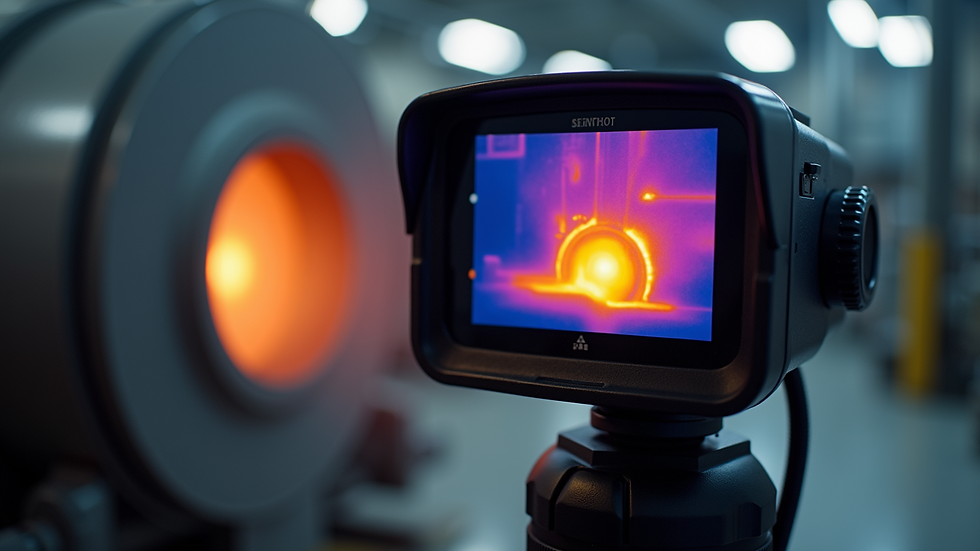
Practical Applications of Infrared Thermography
Infrared thermography is widely used in various sectors due to its versatility and effectiveness. Here are some practical examples where this technology shines:
Electrical Inspections
Electrical systems can develop faults such as loose connections, overloaded circuits, or failing components. Infrared thermography detects abnormal heat signatures that indicate these issues. Early identification helps prevent electrical fires and costly downtime.
Building Inspections
In construction and maintenance, infrared thermography identifies heat leaks, moisture intrusion, and insulation gaps. This information is crucial for improving energy efficiency and maintaining structural integrity.
Mechanical Equipment Monitoring
Machines generate heat during operation, and unusual temperature changes can signal wear or malfunction. Infrared thermography allows technicians to monitor equipment condition without stopping production, reducing downtime and repair costs.
Medical and Veterinary Uses
Infrared thermography is also used in healthcare to detect inflammation, circulatory problems, or injuries by observing temperature variations on the skin surface.
By applying infrared thermography in these areas, businesses and professionals can enhance safety, reduce costs, and improve operational efficiency.

How Infrared Thermography Services Enhance Safety and Efficiency
Using professional infrared thermography services ensures accurate data collection and interpretation. Certified thermographers use advanced equipment and follow industry standards to deliver reliable results. Here’s how these services contribute to safety and efficiency:
Risk reduction: Identifying electrical hotspots or mechanical faults before they cause accidents.
Cost savings: Preventing unplanned outages and expensive repairs through early detection.
Compliance: Meeting regulatory requirements for safety inspections and maintenance.
Documentation: Providing detailed reports with thermal images for record-keeping and analysis.
Improved decision-making: Enabling targeted maintenance and resource allocation.
Engaging experts for infrared thermography services guarantees that you get the most out of this technology, maximizing its benefits for your operations.
Tips for Choosing the Right Infrared Thermography Provider
Selecting a reliable provider is crucial to fully leverage the advantages of infrared thermography. Here are some tips to help you make the right choice:
Certification and Experience: Ensure the provider has certified thermographers with proven experience in your industry.
Equipment Quality: Check that they use up-to-date, high-resolution thermal cameras.
Service Range: Look for providers offering comprehensive services, including inspection, analysis, and reporting.
Customer Reviews: Read testimonials and case studies to gauge client satisfaction.
Response Time: Choose a provider who can deliver timely inspections and reports.
Customization: Opt for services tailored to your specific needs and challenges.
By following these guidelines, you can partner with a provider that delivers accurate, actionable insights to improve your operations.
Future Trends in Infrared Thermography Technology
Infrared thermography continues to evolve with advancements in technology. Some emerging trends include:
Integration with AI: Artificial intelligence helps automate image analysis, improving accuracy and speed.
Drones for Inspection: Unmanned aerial vehicles equipped with thermal cameras enable inspections of large or inaccessible areas.
Enhanced Resolution: New sensors provide higher resolution images for more detailed diagnostics.
Portable Devices: Compact, user-friendly thermal cameras allow on-the-go inspections.
Data Analytics: Combining thermal data with other sensor inputs for comprehensive condition monitoring.
Staying informed about these trends can help businesses adopt the latest innovations and maintain a competitive edge.
Maximizing the Benefits of Infrared Thermography
To get the most from infrared thermography, consider these actionable recommendations:
Schedule regular inspections to catch issues early.
Train staff to understand thermal images and basic troubleshooting.
Use thermal imaging as part of a broader maintenance and safety program.
Invest in quality equipment or professional services for accurate results.
Analyze thermal data trends over time to predict failures.
By integrating infrared thermography into your routine processes, you can enhance safety, reduce costs, and improve overall efficiency.
Infrared thermography is a versatile and effective technology that offers numerous advantages across industries. From early fault detection to energy efficiency improvements, its applications are wide-ranging and impactful. Leveraging professional infrared thermography services ensures you benefit from expert analysis and reliable results, helping you maintain safe, efficient, and cost-effective operations.


Comments