
Discover the Infrared Training Benefits: Why Infrared Thermography Training is a Game-Changer
Infrared thermography is no longer just a fancy tool for specialists. It’s becoming essential for anyone involved in maintenance, inspection, or energy efficiency. If you want to stay ahead and protect your assets, understanding the infrared training benefits is key. I’m here to walk you through why investing time in this skill can transform how you work and save you money in the long run.
What Are the Infrared Training Benefits?
Infrared thermography training opens up a world of possibilities. When you learn how to use thermal imaging cameras properly, you gain the ability to see what the naked eye cannot. This means you can detect problems early, avoid costly repairs, and improve safety.
Here are some of the top benefits you’ll enjoy:
Early Fault Detection: You can spot overheating electrical components, insulation failures, or moisture issues before they cause breakdowns.
Energy Efficiency Improvements: Identify heat loss in buildings and equipment, helping reduce energy bills.
Non-Invasive Inspections: No need to dismantle equipment or walls. Thermal imaging is quick and non-destructive.
Enhanced Safety: Detect hot spots that could lead to fires or equipment failure, protecting people and property.
Versatility: Useful in residential, commercial, and industrial settings alike.
By mastering infrared thermography, you’re not just adding a skill—you’re gaining a powerful diagnostic tool that saves time and money.

How Infrared Thermography Training Improves Your Work
When you undergo infrared thermography training, you learn more than just how to operate a camera. You gain a deep understanding of heat patterns, temperature measurement, and how to interpret thermal images accurately.
Here’s how this training improves your work:
Accurate Diagnosis
You’ll learn to distinguish between normal and abnormal heat signatures. This accuracy reduces false alarms and unnecessary repairs.
Better Reporting
Training teaches you how to document findings clearly and professionally. This helps clients understand issues and make informed decisions.
Compliance and Standards
You’ll be familiar with industry standards and safety regulations, ensuring your inspections meet legal and quality requirements.
Increased Confidence
Knowing how to handle equipment and interpret data boosts your confidence, making you more efficient and reliable.
Expanded Service Offerings
With this skill, you can offer additional services like building diagnostics, electrical inspections, and predictive maintenance.
The knowledge you gain from infrared thermography training turns you into a trusted expert who can prevent failures before they happen.
How to Become an Infrared Thermographer?
Becoming an infrared thermographer is a straightforward process, but it requires dedication and proper training. Here’s a step-by-step guide to get you started:
Choose a Reputable Training Provider
Look for courses that cover both theory and practical application. Hands-on experience is crucial.
Complete the Training Course
Courses typically include modules on heat transfer principles, camera operation, image interpretation, and reporting.
Gain Practical Experience
Practice using thermal cameras in real-world scenarios. This helps solidify your skills.
Obtain Certification
Certification from recognized bodies adds credibility and may be required by employers or clients.
Stay Updated
Technology evolves, so keep learning through refresher courses and industry updates.
By following these steps, you’ll be well on your way to becoming a skilled infrared thermographer, ready to provide valuable insights across various sectors.
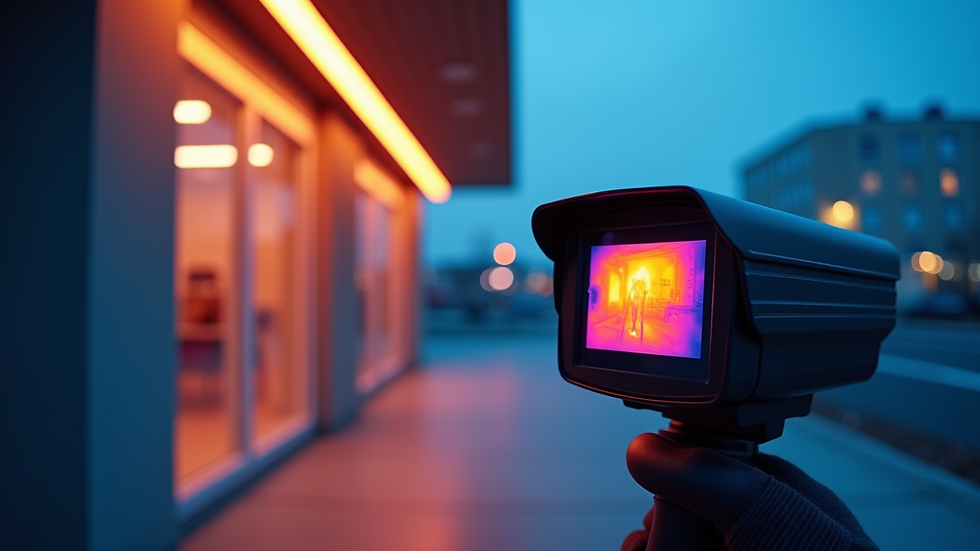
Practical Applications of Infrared Thermography in Different Sectors
Infrared thermography is incredibly versatile. Whether you’re working with homes, offices, or factories, the benefits are clear. Let’s look at some practical examples:
Residential: Detect heat leaks around windows and doors, find moisture behind walls, and inspect HVAC systems for efficiency.
Commercial: Monitor electrical panels, check insulation in large buildings, and inspect roofing for water damage.
Industrial: Identify overheating machinery, monitor process temperatures, and prevent costly downtime by spotting issues early.
Each application helps save money and improve safety. For example, catching an electrical fault early in a factory can prevent a fire and costly production stoppages. In homes, spotting insulation gaps can reduce heating bills significantly.
Why Choose Professional Infrared Thermography Training?
You might wonder why professional training matters when you can buy a thermal camera and start shooting images. The truth is, without proper training, you risk misinterpreting data or missing critical signs.
Professional training ensures you:
Understand the science behind thermal imaging
Use equipment correctly and safely
Interpret images with confidence
Produce reports that clients trust
Comply with industry standards
This expertise not only improves your service quality but also builds your reputation. Clients will appreciate your professionalism and the value you bring.
Infrared thermography training is more than just a course. It’s an investment in your skills and your ability to protect assets effectively. Whether you’re inspecting a home, a commercial building, or industrial equipment, the knowledge you gain will help you spot problems early, save money, and improve safety.
If you want to take your inspection capabilities to the next level, consider enrolling in infrared thermography training today. It’s a smart move that pays off in the long run.
By embracing infrared thermography, you’re stepping into the future of maintenance and inspection. The benefits are clear, the applications are vast, and the impact on your work is profound. Don’t miss out on this opportunity to enhance your skills and deliver exceptional value.


Comments